
House Flies in Auckland: Summer Fly Control for Commercial Premises
By Stuart Gunn, Owner
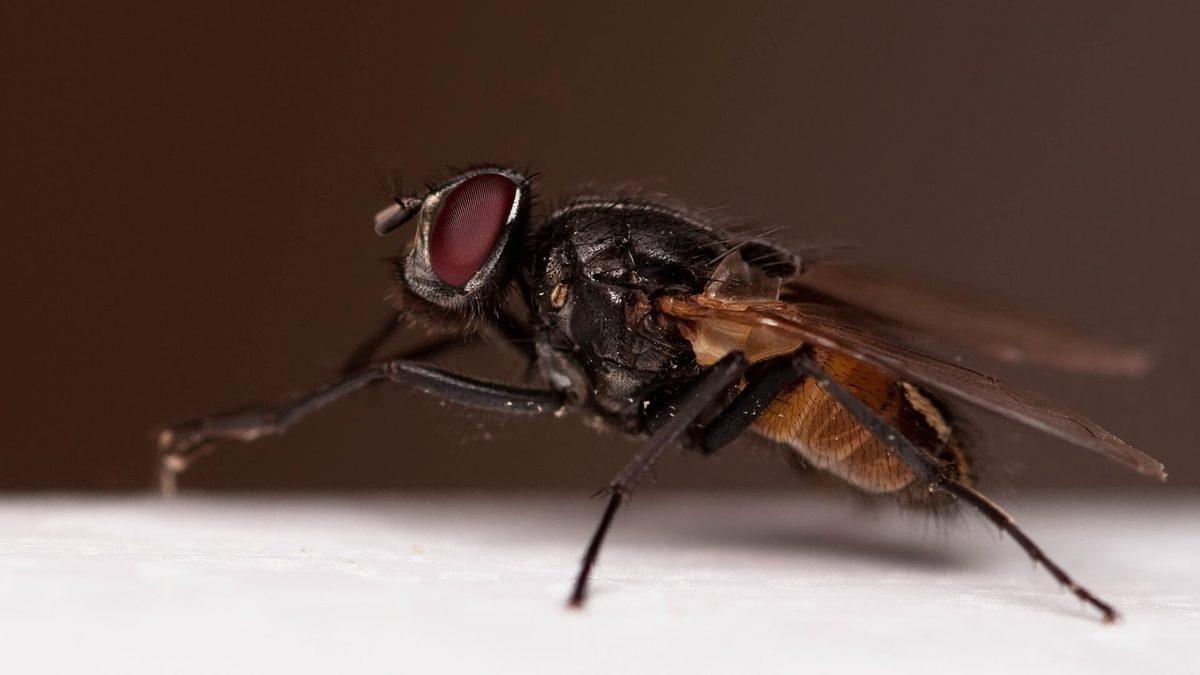
For a commercial site in Auckland, summer fly pressure arrives at exactly the wrong time. Warmer weather, open doors, more waste, and the lead-up to the Christmas trading peak all land together. A single fly landing on a customer's meal or a prepared product can undo a lot of good work.
At NZ Pest Control, we provide commercial fly control across Auckland, and every summer we help food businesses, retailers, and other sites get on top of fly pressure before it becomes a compliance issue or a reputation problem.
Why summer is harder on commercial sites
House flies speed up with the temperature. In warm weather a fly can go from egg to adult in a matter of days to a couple of weeks, so a few flies in November can become a serious problem by January if they've found somewhere to breed.
Commercial sites tend to give them plenty of opportunities.
- Doors are open more often, for deliveries, customers, and ventilation.
- Waste volumes rise during busy trading periods, and bins and skips work harder.
- Outdoor seating and takeaway trade bring food and rubbish closer to the door.
- Drains and wash-down areas stay warm and wet, which suits drain flies.
What flies mean for a business
Flies feed on waste and decaying matter and then land on food and preparation surfaces, transferring bacteria directly. In a home that's unpleasant. In a café, restaurant, bakery, or food manufacturer, it's a compliance issue that a verifier will pick up.
- Direct transfer of bacteria from waste to food and preparation surfaces.
- A recognised risk when your premises are verified under your food control plan.
- Customer perception, because one fly at the wrong moment is the one that ends up in a review.
- Persistent drain flies that are hard to shift without treating the source.
If you handle open food, your food control plan will expect you to manage flies and to be able to show how. That second part matters. A site that has a fly problem but can show a documented, active programme is in a very different position to one that can't.
Where the pressure comes from
Large numbers of flies usually mean a breeding site on or near the property. Common sources on commercial sites include:
- Bin areas, skips, and waste storage, especially when they're not emptied or washed often enough.
- Floor drains and wash-down areas with a build-up of organic film.
- Spilt product and food residue around prep areas, loading bays, and staff rooms.
- Delivery doors and entrances that stay open for long periods.
- Occasionally, a dead animal in a wall cavity or roof space, which can produce a sudden surge of flies indoors.
The sites that feel it most
Fly pressure shows up across a wide range of Auckland businesses, and the stakes differ by sector.
- Hospitality: flies around bins, drains, and prep areas, in kitchens and in customer-facing dining.
- Food manufacturing and production: flies in waste, drainage, and wash-down areas, where documentation and auditing matter most.
- Retail: flies around food retail, deli, and produce areas, alongside the usual retail pressures.
- Healthcare: flies and small flies around clinical waste and drains, where treatment has to be infection-control aware.
- Warehousing and logistics: flies around waste and staff areas on large sites with doors open much of the day.
A fly programme that stands up to scrutiny
At NZ Pest Control, we treat fly control as a programme rather than a one-off spray. It starts with working out where the flies are actually coming from.
- We find the breeding source first, because without that, any treatment is temporary.
- Treatment can include a residual surface application, targeted drain treatment, and fly control units, depending on the site.
- For food premises, we work in with your hygiene and verification requirements and can set up a documented programme.
- We advise on the waste handling, drainage, and screening changes that reduce the pressure.
- If you run more than one site, we can provide consistent servicing and reporting across all of them, rather than a different arrangement at each.
You can read more about our approach on our fly control page.
What your team can do day to day
Good housekeeping makes any programme work better, and it's often the cheapest part of the solution.
- Keep external doors closed when they're not in use, and fit screens or strip curtains where the layout allows.
- Keep bins lidded, empty them often, and wash them and the surrounding area regularly.
- Clean floor drains and wash-down areas on a routine so no organic film builds up.
- Clean up spills and food residue straight away, including under and behind equipment.
- Report fly sightings promptly, and keep a simple record of where and when you see them.
Get ahead of the Christmas rush
The best time to deal with flies is before trading peaks, while there's still time to find the source and put the right measures in place. If you run a food business and you're not sure where you stand, our free 2-minute food premises self-check is a good place to start.
As a locally owned and operated Auckland pest control company, we know how quickly summer can turn fly pressure around, and we're happy to survey your site and recommend a programme that suits it.
NZ Pest Control is proud to provide trusted commercial pest control throughout Auckland, backed by an experienced local team.
Contact NZ Pest Control today to lock in a pest control plan that actually works.