
Mosquitoes in Auckland: How to Keep Them in Check This Summer
By Stuart Gunn, Owner
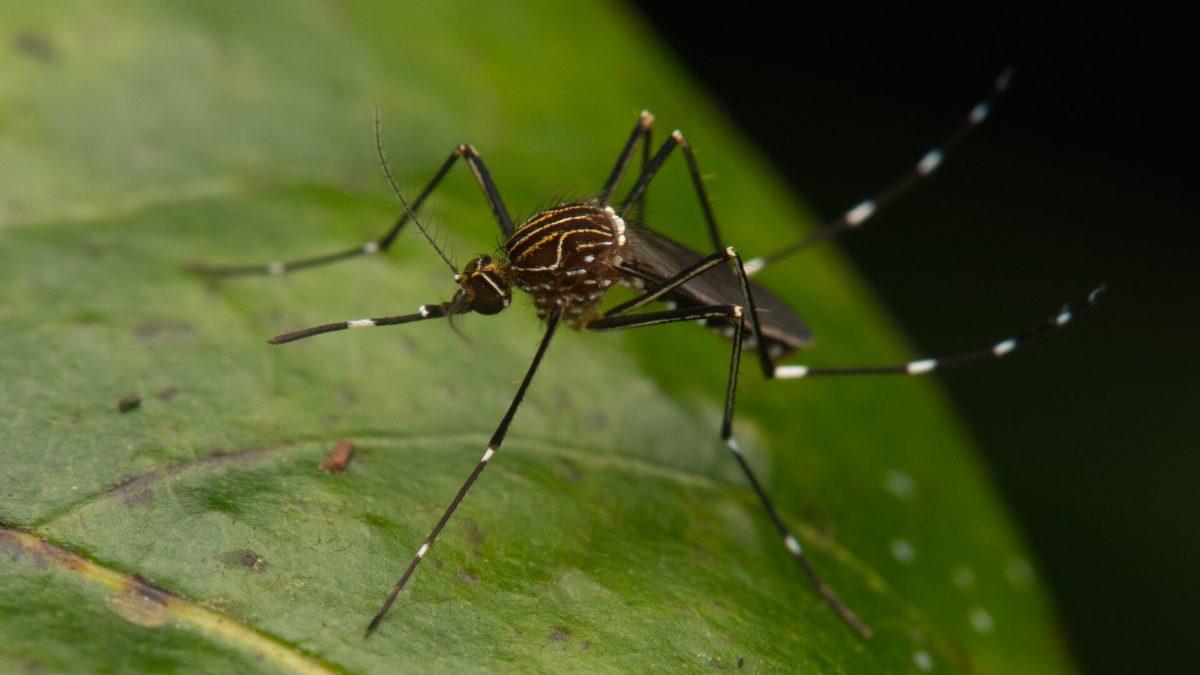
You know the feeling. It's a warm Auckland evening, the barbecue is going, everyone is outside enjoying the long light, and then the whining starts. A few bites later the whole family is heading indoors.
Mosquitoes are one of the most common complaints we hear about over summer, and the good news is that they're also one of the more manageable pests. Once you understand where they come from, you can do a surprising amount about them yourself.
At NZ Pest Control, we help Auckland homeowners deal with mosquitoes every summer. Here's what's going on, what you can do, and when it's worth calling in a professional.
Why summer is mosquito season
Mosquitoes are all about warmth and water. In cold weather they slow right down. As Auckland warms up through spring and early summer, they become much more active, and our warm, damp summers and regular rain give them plenty to work with.
The key thing to understand is that mosquitoes breed in standing water, and it takes remarkably little of it. The breeding sites are almost always on your property or immediately next door, rather than somewhere far away. That's actually good news, because it means the solution is usually within your reach.
How mosquitoes breed
A female mosquito lays her eggs on or near still water. The eggs hatch into larvae, small wriggling creatures often called wrigglers, which live in the water and develop there before turning into flying adults. In warm weather this can happen quickly, which is how a few mosquitoes in November can turn into a cloud of them by January.
Even a tiny amount of water can be enough. A container the size of a jam jar is enough to breed hundreds.
Where to look around your property
Walk around your section with a critical eye and you'll probably find several places that hold water. Common breeding sites around Auckland homes include:
- Saucers under pot plants, which are one of the most common culprits.
- Blocked or sagging gutters that hold water after rain.
- Unused wheelbarrows, buckets, paddling pools, and children's toys left out in the garden.
- Ponds and water features without fish.
- Water tanks that aren't properly covered.
- Tarpaulins and covers that collect rainwater in their folds.
- Blocked drains or low spots in the lawn where water sits.
Adult mosquitoes also rest during the day in dense, shaded planting, so thick damp vegetation close to the house or deck tends to make things worse.
Signs of a mosquito problem
- Biting activity concentrated around dawn and dusk.
- Larvae, small wrigglers, visible in any standing water on the property.
- Activity that's worst near ponds, water tanks, blocked gutters, or dense damp planting.
Are mosquitoes in New Zealand dangerous?
This is a question we hear a lot, and the reassuring answer is that they're not dangerous in the way they are in the tropics. New Zealand does not have established mosquito-borne diseases like malaria or dengue. The problem here is the nuisance.
That said, it's still a real one. Bites are itchy and can become infected if they're scratched. Some people react strongly to bites, and the disturbed sleep and unusable outdoor areas can take a lot of the enjoyment out of summer.
What you can do yourself
Because mosquito control is mostly about removing the water rather than spraying the air, a weekend of tidying can make a real difference.
- Empty saucers under pot plants, or fill them with sand, and tip out anything that collects rainwater.
- Clear your gutters and check that downpipes drain properly.
- Turn over wheelbarrows, buckets, and toys so they can't fill up.
- Cover water tanks properly, and keep fish in ornamental ponds so they eat the larvae.
- Refresh water in birdbaths and pet bowls every few days.
- Trim back dense, damp planting around decks, doors, and windows where adults like to shelter.
- Keep fly screens in good repair on windows and doors, especially in bedrooms.
It's also worth taking a few simple precautions when you're outside. Mosquitoes are most active around dawn and dusk, so that's when to cover up or use a repellent if you're sitting out.
Don't forget the neighbours
Because the breeding sites are often right next door, it can be frustrating when you've tidied your own property and are still getting bitten. A friendly word with a neighbour about a pond, a blocked gutter, or a pile of old containers can help the whole street.
Why spraying the air doesn't work
It's tempting to reach for a can of insect spray the moment the bites start, but sprays only deal with the adults you can see, and they do nothing about the larvae developing in the water nearby. Within days, a fresh lot has emerged and you're back where you started.
That's why finding and dealing with the breeding sites is the part that actually solves the problem.
How we help
At NZ Pest Control, our approach is built around the source.
- We identify breeding sites on your property, because that's the part that actually solves it.
- Treatment can target resting areas in dense, shaded planting where adults shelter during the day.
- We advise on the drainage, guttering, and water-storage changes that remove breeding sites for good.
You can read more about how we deal with them on our mosquito control page, and you can see how mosquito activity compares with other pests across the year on our pest season calendar.
Get ahead of it this summer
Mosquito numbers build through spring and are usually at their worst from December through February, so now is the perfect time to do your walk-around and clear out the usual breeding spots. If you've done that and the biting is still a problem, or you have a pond, tank, or large garden that makes it hard to stay on top of, we're happy to take a look.
As a locally owned and operated Auckland pest control company, we know how quickly the warm, wet weather turns a few mosquitoes into a summer-long nuisance, and we'd love to help you get your evenings back.
NZ Pest Control is proud to provide trusted mosquito control throughout Auckland, backed by an experienced local team.
Contact NZ Pest Control today to lock in a pest control plan that actually works.